English

RSL Diploma in Creative Music Industries

Vocational Pathway: RSL Diploma in the Creative Music Industry at The Purcell School

The RSL Level 3 Diploma in Creative Music Industries is an exciting two-year Sixth Form pathway for students aged 16-19 (Years 12 and 13) who want their musical education to feel relevant, practical, and closely connected to the real world of today’s music profession. The course combines specialist musical training with a forward-looking, industry-focused approach, and is assessed through coursework and project work rather than written examinations.

This pathway is ideal for young musicians who want to build advanced practical skills, deepen their creative identity and gain a broader understanding of how sustainable careers are built across performance, composition, production, and the wider creative industries.

When enrolling on the course, student will select one of the following first study options, which will help to shape course content across the two year programme:

  • Jazz and Commercial Performance
  • Classical Performance
  • Composition
  • Music Production

Course Content

Students will complete a series of core, contextual and elective modules, with increasing opportunities for specialising in areas of interest as they progress. All modules have been designed by the Purcell School, within the framework of the RSL Diploma in Creative Music Industry.

Core Modules (Subsidiary Diploma and Extended Diploma)

The core modules sit at the heart of the course and are designed to help students develop their principal discipline within Purcell’s specialist music school environment. These modules give students the chance to strengthen technique, refine artistic confidence, and gain experience through rehearsals, workshops, live performance and creative collaboration.

Students are encouraged to grow steadily over time, with assessment focused not only on outcomes, but also on progress, commitment and active participation in a range of musical opportunities. This means that students are recognised for the full breadth of their development: from technical control and musical understanding to professionalism, reliability, and the ability to contribute meaningfully to projects.

Students will take two modules, based on their first study discipline:

Instrumental / Vocal Modules

  • Technical Development: Through individual instrumental or vocal lessons, students work closely with specialist teachers to build technique, stylistic awareness, and interpretation skills.
  • Ensemble Skills: Ensemble training allows students to apply their skills in real musical settings, whether through chamber music, bands or other collaborative groups. Students learn how to rehearse effectively, and communicate musically with others.

Creative Music Modules

  • Technical Development: Through composition or production lessons, students explore how musical ideas are generated, shaped, and refined. They develop confidence in composing, producing and presenting original work, while learning how to respond imaginatively to briefs, feedback, and different creative contexts.
  • Collaborative Project: The collaborative element of the pathway reflects the realities of the modern music industry, where creativity is often developed through teamwork. Students may work with performers, producers or fellow composers to create and realise original projects.

Year 12 Contextual Modules

In addition to the core modules, students taking the Extended Diploma follow a broad and stimulating Year 12 programme designed to reflect the specialist school environment. The aim is to develop not only practical skills, but also curiosity, independence and a deeper understanding of music in context.

Each module is assessed through projects, giving students opportunities to demonstrate their learning in ways that feel active and creative. Rather than working towards a single final exam, students build experience across a wide range of musical activities and produce work that reflects the diversity of contemporary musical life.

  • Students taking the Extended Diploma will take all ten modules.
  • Students taking the Subsidiary Diploma will take three or four modules from this list.
  1. Music History and Analysis (double module)
  2. Harmony and Composition Techniques (double module)
  3. Composition
  4. Arranging
  5. Sequencing
  6. Studio Work
  7. Musicianship
  8. Outreach
  9. Community Music
  10. Study Skills

Year 13 Elective Modules

In Year 13 a wide range of elective modules are available. These courses enable students to build on the skills that they have developed in Year 12 and to develop specialist musical interests through in-depth study and the completion of coursework portfolios.

  • Students taking the Subsidiary Diploma will opt for two or three elective modules.
  • Students taking the Extended Diploma must take at least one elective module from each of the four areas below, and they will opt for eight or nine elective modules in total.

Music History

  1. Analysing Music
  2. Contextual Studies

Creative Practice

  1. Composing for Media
  2. Harmony and Counterpoint
  3. Orchestration
  4. Recording Music
  5. Sequencing

Musicianship

  1. Improvisation
  2. Aural Skills
  3. Practical Musicianship

Extended Project

  1. Dissertation
  2. Music and Media
  3. Outreach Project
  4. The Music Business

Frequently Asked Questions

What is the RSL Diploma in Creative Music Industries?

It is a nationally recognised Level 3 qualification focused on practical music-making and understanding how the modern music industry works. Assessment is entirely coursework-based rather than exam-based.

When does the course start?

The Diploma will be offered at The Purcell School from September 2026 as part of the Sixth Form programme.

Who is the course for?

The course is designed for students aged 16–19 (Years 12 and 13) with strong musical ability who are interested in performance, composition, production or broader creative music careers, and who would benefit from a practical, project-based approach to learning.

What pathways are offered at Purcell?

Students specialise in one of four pathways: Jazz & Commercial Performance, Classical Performance, Composition or Music Production.

How long is the course?

The Diploma is typically studied over two years, in line with Sixth Form study.

How is the course assessed?

Assessment is entirely coursework-based, including performances, compositions, recordings, projects and reflective work set through industry-style creative briefs.

Is the qualification equivalent to A Levels?

The Extended Diploma is equivalent in size to three A Levels. Subsidiary Diploma options can be combined with one or two A Levels.

Is this course suitable for international students?

Yes. The RSL Level 3 Diploma in Creative Music Industries is suitable for international students aged 16–19 who are seeking a practical, industry-focused music qualification within the UK education system.

Teaching and assessment are conducted in English, and international applicants are considered through a combination of audition and academic review. Academic qualifications are assessed individually to ensure they are comparable with UK Level 3 study.

As with all courses at The Purcell School, entry is subject to meeting the School’s academic and musical requirements.

How does this qualification compare internationally?

The RSL Level 3 Diploma is a UK post-16 qualification, typically studied over two years (Years 12 and 13). It is broadly comparable in level to the final years of secondary or high school education in many international education systems.

The Extended Diploma is equivalent in size to three UK A Levels and is commonly accepted for progression to higher education in the UK, including universities and specialist music institutions. Recognition by institutions outside the UK may vary, and students are encouraged to check specific entry requirements with prospective universities or conservatoires.

What are the academic entry requirements?

Entry requirements typically include a suitable academic profile at GCSE level (or equivalent), alongside a successful audition and evidence of musical potential.

What can students do after completing the Diploma?

The qualification supports progression to university or conservatoire study, as well as entry into professional roles within the music and creative industries.

Who leads the course?

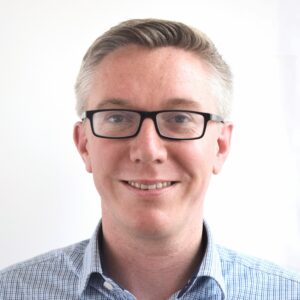
Andrew Williams, Head of Academic Music.

Andrew Williams Head of Academic Music

With a teaching career spanning almost twenty years, Andrew Williams is an established educator with extensive experience in the UK’s specialist music education sector. Alongside his role at the Purcell School, Andrew is Head of Aural and Musicianship at the...

Read More